
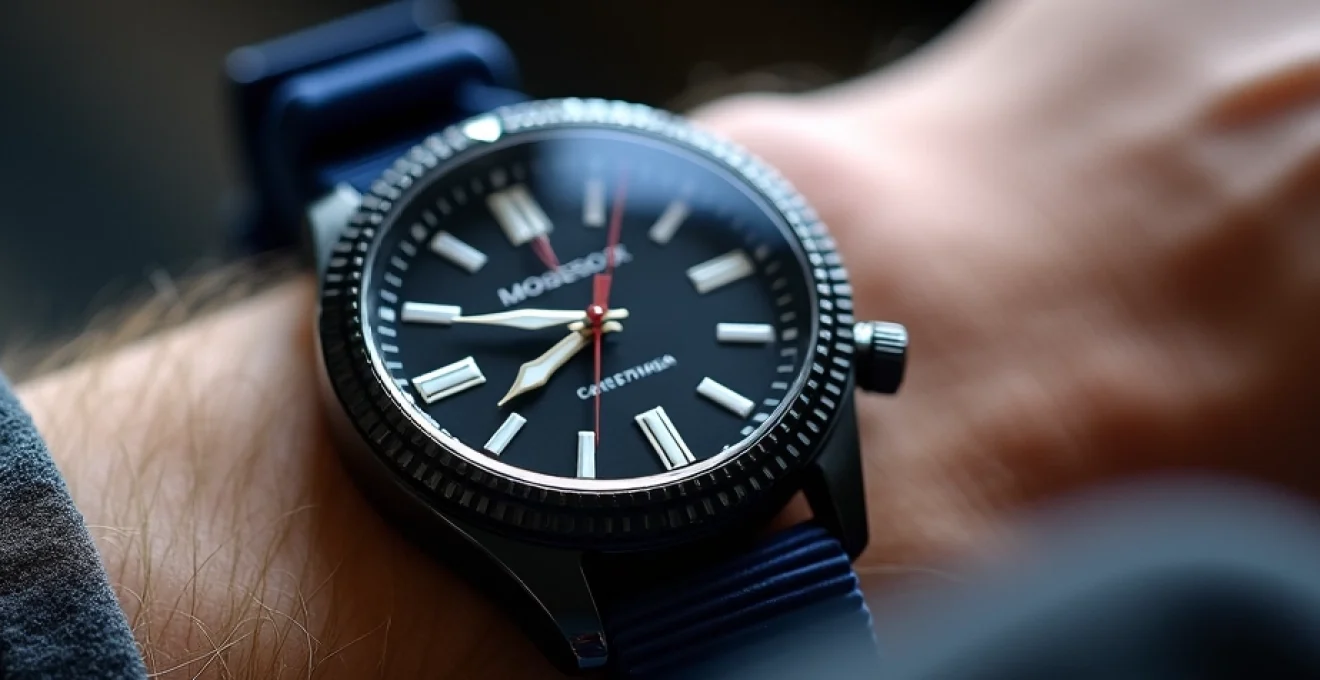
The watch industry has witnessed a remarkable transformation in strap materials over the past decade, with rubber emerging as a sophisticated alternative to traditional leather and metal options. Modern luxury timepieces increasingly feature high-performance rubber straps that deliver exceptional comfort, durability, and aesthetic appeal. This evolution reflects changing consumer preferences for versatile accessories that seamlessly transition from boardroom meetings to weekend adventures. Premium watch manufacturers now recognize rubber straps as essential components that enhance both the functionality and visual impact of their timepieces. The question isn’t whether rubber can compete with traditional materials, but rather how it has redefined what consumers expect from luxury watch accessories.
Rubber watch strap material engineering and composition analysis
The foundation of superior rubber watch straps lies in advanced material science and precision engineering. Modern manufacturers employ sophisticated polymer technologies to create straps that outperform traditional materials across multiple performance metrics. Understanding the composition and engineering principles behind these materials reveals why rubber has become the preferred choice for discerning watch enthusiasts.
Silicone elastomer properties in premium watch straps
Silicone elastomers represent the pinnacle of flexible polymer technology in watchmaking applications. These materials demonstrate exceptional resistance to temperature extremes, maintaining their flexibility from -40°C to +200°C without degradation. The molecular structure of silicone creates a non-porous surface that resists bacterial growth and odor absorption, making it ideal for extended wear periods. Premium silicone formulations also exhibit superior aging characteristics, maintaining their original properties for decades under normal use conditions.
The hypoallergenic nature of medical-grade silicone makes it particularly suitable for sensitive skin types. Unlike some natural rubber compounds, silicone elastomers contain no latex proteins that can trigger allergic reactions. This biocompatibility has made silicone the material of choice for implantable medical devices, demonstrating its safety for prolonged skin contact in watch strap applications.
Natural rubber vulcanization processes for timepiece applications
Vulcanization transforms raw rubber into a durable, elastic material suitable for luxury timepiece applications. This chemical process creates cross-links between polymer chains, significantly enhancing tensile strength and resistance to deformation. Modern vulcanization techniques allow manufacturers to precisely control the final properties of rubber straps, optimizing them for specific performance requirements.
Temperature-controlled vulcanization ensures consistent material properties throughout each strap. Advanced monitoring systems maintain precise sulfur ratios and curing temperatures, resulting in uniform elasticity and durability characteristics. This attention to manufacturing detail distinguishes premium rubber straps from mass-market alternatives that may exhibit inconsistent performance over time.
Fluoroelastomer integration in luxury watch band manufacturing
Fluoroelastomer technology, commonly known as FKM or Viton, represents the apex of rubber strap performance. These specialized polymers offer unmatched chemical resistance, withstanding exposure to oils, solvents, and aggressive chemicals that would degrade conventional rubber materials. The exceptional durability of fluoroelastomers makes them ideal for professional and military timepiece applications.
The manufacturing process for fluoroelastomer straps requires specialized equipment and expertise, contributing to their premium positioning in the market. Premium FKM watch straps high-end collection showcase the sophisticated engineering that transforms raw fluoroelastomer into luxury accessories. These materials maintain their properties even under extreme conditions, making them suitable for diving, aviation, and industrial applications where reliability is paramount.
Shore hardness rating impact on wrist comfort and durability
Shore hardness ratings provide objective measurements of rubber flexibility and firmness, directly impacting wearer comfort and strap longevity. Most premium watch straps utilize materials with Shore A hardness ratings between 40-60 , balancing flexibility with structural integrity. Lower hardness values create softer, more comfortable straps, while higher values enhance durability and shape retention.
The optimal hardness depends on intended use and personal preferences. Sports-oriented straps often feature slightly higher hardness ratings to withstand impact and abrasion, while dress watch straps prioritize comfort with softer formulations. Advanced manufacturers offer multiple hardness options within the same design, allowing consumers to select straps that match their specific requirements and preferences.
Ergonomic design principles in contemporary rubber watch straps
Modern rubber watch strap design extends far beyond material selection, incorporating sophisticated ergonomic principles that enhance comfort and functionality. The integration of anatomical research with advanced manufacturing techniques has produced straps that conform naturally to wrist geometry while maintaining structural integrity. These design innovations represent a significant evolution from early rubber straps that prioritized basic functionality over wearer comfort.
Anatomical wrist curvature optimization techniques
Contemporary strap designers utilize three-dimensional modeling of human wrist anatomy to create profiles that naturally complement the complex curves of the forearm. This approach considers variations in bone structure, muscle definition, and skin elasticity across different demographics. Advanced manufacturing techniques allow for subtle variations in strap curvature that accommodate individual anatomical differences without compromising aesthetic appeal.
The integration of anatomical data into strap design has produced measurable improvements in comfort and security. Studies indicate that properly contoured straps reduce pressure points by up to 40% compared to flat designs, significantly enhancing long-term wearing comfort. This scientific approach to ergonomics demonstrates how modern watchmaking applies engineering principles to solve practical challenges.
Ventilation channel engineering for moisture management
Moisture management represents a critical challenge in rubber strap design, particularly for active users who demand comfort during physical activity. Advanced ventilation systems incorporate strategically placed channels and perforations that promote airflow while maintaining structural integrity. These features work together to reduce heat buildup and moisture retention, creating a more comfortable wearing experience.
The positioning and sizing of ventilation features require careful engineering to avoid creating stress concentration points that could lead to premature failure. Computer modeling helps designers optimize channel placement for maximum airflow while preserving strap strength. Some premium designs incorporate gradient ventilation patterns that vary perforation density based on typical sweat patterns and contact pressure distribution.
Tapered geometry implementation in sports watch applications
Tapered strap designs offer significant advantages for sports watch applications, reducing bulk while maintaining security and comfort. The gradual reduction in strap width from lug to buckle creates a more proportional appearance while reducing the overall material volume. This approach proves particularly beneficial for larger case diameters where traditional straight straps can appear disproportionate.
Manufacturing tapered rubber straps requires sophisticated molding techniques that ensure consistent wall thickness throughout the transition zones. Advanced tooling creates smooth transitions that avoid stress concentration points while maintaining the structural integrity necessary for secure wear. The result is a strap that feels lighter on the wrist while providing superior security and visual appeal.
Quick-release mechanism integration with rubber strap systems
Quick-release mechanisms have revolutionized rubber strap usability, allowing instant customization without tools or technical expertise. These systems typically employ spring-loaded pins that can be actuated with fingertip pressure, enabling strap changes in seconds. The integration of quick-release technology with rubber straps creates opportunities for personalization and functional adaptation that were previously impractical.
The engineering challenges of quick-release integration include maintaining water resistance while ensuring reliable operation over thousands of cycles. Premium implementations utilize corrosion-resistant materials and precision manufacturing to achieve consistent performance in demanding environments. The ability to quickly swap straps also enables users to maintain multiple straps for different activities, extending the versatility of a single timepiece.
Performance testing standards for rubber watch band durability
Rigorous testing protocols ensure that rubber watch straps meet the demanding requirements of luxury timepiece applications. These standardized procedures evaluate material properties, manufacturing quality, and long-term durability under simulated real-world conditions. Understanding these testing standards helps consumers appreciate the engineering excellence that distinguishes premium rubber straps from basic alternatives.
ISO 22810 water resistance testing protocol compliance
The ISO 22810 standard establishes comprehensive testing procedures for water resistance in watch components, including strap materials and attachment systems. This protocol subjects straps to pressurized water exposure at specified depths and durations, ensuring reliable performance in aquatic environments. Compliance with ISO 22810 standards requires sophisticated testing equipment and rigorous quality control procedures.
Testing includes both static pressure resistance and dynamic water exposure scenarios that simulate real-world swimming and diving conditions. The protocol evaluates not only the strap material itself but also the integrity of buckle systems and quick-release mechanisms under water pressure. Premium rubber straps consistently exceed minimum requirements, providing safety margins that ensure reliable performance even under extreme conditions.
UV degradation resistance according to ASTM D4329 standards
Ultraviolet radiation poses a significant threat to polymer-based materials, potentially causing color fading, surface cracking, and mechanical property degradation. The ASTM D4329 standard simulates years of sunlight exposure using controlled UV lamps and temperature cycling. This accelerated aging process reveals how straps will perform after extended outdoor use, providing valuable data for material selection and formulation optimization.
Premium rubber formulations incorporate UV stabilizers and antioxidants that significantly extend service life under solar exposure. Testing results demonstrate that high-quality straps maintain their original color and flexibility even after exposure equivalent to several years of intense sunlight. This durability ensures that luxury timepieces maintain their aesthetic appeal throughout their service life, regardless of usage patterns.
Tensile strength evaluation using ASTM D412 methodology
Tensile strength testing evaluates the maximum stress that rubber materials can withstand before failure, providing critical data for strap design and safety margins. The ASTM D412 methodology employs standardized test specimens and controlled loading rates to generate reproducible results. This testing reveals the ultimate limits of strap materials and helps engineers optimize designs for maximum reliability.
Premium rubber straps typically demonstrate tensile strengths exceeding 20 MPa , providing substantial safety margins for normal wear conditions. The test also evaluates elongation properties, ensuring that straps maintain flexibility throughout their service life. Understanding these mechanical properties enables manufacturers to optimize strap designs for specific applications while maintaining appropriate safety factors.
Chemical resistance testing against common environmental factors
Rubber watch straps encounter numerous chemical challenges during normal use, including exposure to skin oils, cosmetics, cleaning products, and environmental pollutants. Comprehensive chemical resistance testing evaluates material performance when exposed to these common substances over extended periods. This testing ensures that straps maintain their appearance and mechanical properties despite regular contact with potentially aggressive chemicals.
Testing protocols include exposure to synthetic sweat formulations that simulate the complex chemistry of human perspiration under various conditions. The evaluation also includes resistance to common household chemicals, sunscreen formulations, and salt water exposure. Results from this testing guide material selection and surface treatment decisions that enhance long-term durability and appearance retention.
Aesthetic integration with luxury timepiece collections
The evolution of rubber strap aesthetics has transformed these functional accessories into sophisticated design elements that enhance luxury timepiece collections. Modern manufacturing techniques enable the creation of rubber straps with textures, patterns, and finishes that rival traditional leather alternatives. The integration of advanced coloring technologies and surface treatments has expanded aesthetic possibilities, making rubber a viable option for formal and casual applications alike. Premium watch brands now offer rubber options across their entire product lines, recognizing that discerning consumers value both performance and visual appeal.
Color stability represents a critical factor in luxury applications, where fading or discoloration can significantly impact perceived value. Advanced pigment systems and UV-resistant formulations ensure that rubber straps maintain their original appearance throughout years of use. The development of gradient coloring techniques and multi-tone designs has further expanded creative possibilities, enabling designers to create straps that complement specific dial colors or case finishes. These aesthetic advances demonstrate how rubber technology has matured to meet the exacting standards of luxury watchmaking.
Surface texture innovations have created rubber straps with sophisticated tactile qualities that enhance the wearing experience. Micro-textured surfaces provide improved grip and visual interest while maintaining the smooth feel that users expect from premium accessories. Some manufacturers employ laser etching techniques to create intricate patterns that would be impossible to achieve with traditional leather working methods. The combination of functional texture and aesthetic appeal represents the successful marriage of engineering and design principles that defines modern luxury accessories.
The integration of metal accents and hardware elevates rubber straps to luxury status while maintaining their inherent performance advantages. Titanium, gold, and ceramic elements can be seamlessly integrated into rubber designs, creating accessories that complement the most prestigious timepieces. These hybrid approaches combine the best aspects of different materials, resulting in straps that offer superior performance without compromising on luxury appeal. The successful integration of dissimilar materials requires sophisticated manufacturing techniques and careful attention to thermal expansion coefficients to ensure long-term reliability.
Maintenance protocols and longevity optimization for rubber watch straps
Proper maintenance significantly extends rubber strap service life while preserving aesthetic and functional properties. Unlike leather straps that require complex conditioning treatments, rubber maintenance focuses on cleaning and protection from environmental extremes. Understanding optimal care procedures enables users to maximize their investment in premium rubber accessories while ensuring consistent performance throughout the strap’s service life. Regular maintenance also helps identify potential issues before they affect strap integrity or wearer safety.
Cleaning protocols for rubber straps emphasize gentle techniques that remove contaminants without damaging the material surface. Mild soap solutions effectively remove skin oils, sweat deposits, and environmental pollutants that can accumulate during normal wear. The non-porous nature of quality rubber materials makes cleaning straightforward, typically requiring only brief exposure to cleaning solutions followed by thorough rinsing. Avoiding harsh chemicals and abrasive cleaning tools preserves surface finishes and prevents premature aging of the material.
Storage conditions significantly impact rubber strap longevity, with temperature and light exposure being primary factors in material degradation. Optimal storage involves cool, dark environments that minimize UV exposure and temperature fluctuations. Extreme temperatures can cause rubber to become brittle or excessively soft, potentially affecting fit and durability. Professional-grade storage solutions often incorporate climate control systems that maintain optimal conditions for long-term preservation of premium accessories.
Rotation strategies help extend strap life by reducing cumulative wear and allowing materials to recover from deformation. Many enthusiasts maintain multiple straps for different activities, reducing the total wear time on any individual strap. This approach proves particularly beneficial for expensive straps where longevity justifies the initial investment in multiple accessories. Rotation also enables better matching of strap characteristics to specific activities, optimizing both performance and preservation.
Inspection procedures help identify early signs of wear or damage that could compromise strap integrity. Regular examination of attachment points, buckle systems, and material surfaces reveals developing issues before they affect safety or functionality. Preventive replacement based on inspection findings ensures continued reliability while avoiding unexpected failures that could cause injury or timepiece damage. Professional assessment may be required for straps showing signs of material fatigue, attachment point wear, or buckle mechanism degradation.
Replacement timing depends on usage patterns and individual strap quality, with premium materials typically offering extended service life compared to basic alternatives. Active users may require replacement every 12-18 months, while occasional wearers can expect 3-5 years of service from high-quality straps. Tracking usage patterns and wear indicators helps optimize replacement timing, ensuring continued reliability while maximizing value from premium accessories.
Temperature exposure management protects rubber materials from accelerated aging caused by extreme heat or cold. Direct sunlight exposure should be minimized when possible, particularly during extended outdoor activities. Some advanced formulations incorporate thermal stabilizers that extend service life under challenging conditions, making them suitable for professional applications where temperature extremes are unavoidable. Understanding material limitations helps users make informed decisions about appropriate usage scenarios.
The investment in proper maintenance equipment pays dividends through extended strap life and preserved aesthetics. Specialized cleaning solutions designed for elastomer materials provide superior results compared to household alternatives. Microfiber cloths prevent surface scratching while ensuring thorough cleaning of textured surfaces. Professional maintenance kits often include storage solutions and inspection tools that support comprehensive strap care programs.
Documentation of maintenance activities helps track strap condition and optimize replacement timing. Simple records noting cleaning dates, usage patterns, and observed wear can guide future maintenance decisions. This approach proves particularly valuable for expensive straps where maximizing service life justifies the administrative effort. Digital photography can document gradual changes that might not be apparent through casual inspection, providing objective data for replacement decisions.
The evolution of rubber watch strap technology continues to accelerate, driven by advances in materials science and manufacturing techniques. Recent developments in self-healing polymers and antimicrobial treatments promise to further enhance the already impressive performance characteristics of premium rubber straps. As these technologies mature and become commercially viable, they will likely redefine expectations for watch strap performance and longevity.
Consumer education plays a crucial role in maximizing the benefits of rubber strap technology. Understanding material properties, maintenance requirements, and appropriate applications enables users to make informed decisions that optimize both performance and value. The growing sophistication of rubber strap offerings requires corresponding knowledge for consumers to fully appreciate and utilize advanced features and capabilities.
The rubber watch strap market continues to expand as traditional barriers between sport and luxury dissolve. Modern consumers increasingly demand accessories that seamlessly transition between different environments and activities without compromising on style or performance. Rubber straps uniquely satisfy these requirements, offering the perfect balance between functional excellence and aesthetic sophistication that defines contemporary luxury accessories.