
# What to Wear for a First Date to Make a Great Impression?
First impressions form in mere seconds, and whether we like it or not, clothing communicates volumes before a single word is exchanged. Research suggests that approximately 40% of people are highly visual processors, meaning your outfit speaks directly to their subconscious evaluation of who you are. When preparing for a first date, the pressure to present your best self can feel overwhelming—especially when staring at a wardrobe that suddenly seems inadequate. The stakes are undeniably high: you want to appear confident, approachable, and genuinely yourself, all while navigating the delicate balance between making an effort and not appearing overly contrived. Understanding the nuances of first date attire—from venue-appropriate styling to colour psychology and fabric selection—can transform this potentially stressful experience into an opportunity to showcase your authentic personality with confidence.
Decoding first date dress codes: from casual coffee meets to fine dining venues
The foundation of successful first date dressing begins with understanding the context. A walk through a botanical garden demands an entirely different approach than dinner at an upscale restaurant. The venue sets the tone for appropriate attire, and misjudging this can create unnecessary discomfort or awkwardness. Arriving overdressed to a casual setting can make you appear disconnected from the occasion, whilst underdressing for a sophisticated venue may suggest a lack of consideration or effort. The key lies in researching your destination beforehand—a quick online search revealing the establishment’s atmosphere, typical clientele, and general ambience provides invaluable guidance for outfit selection.
Interpreting Venue-Specific attire expectations for coffee shop settings
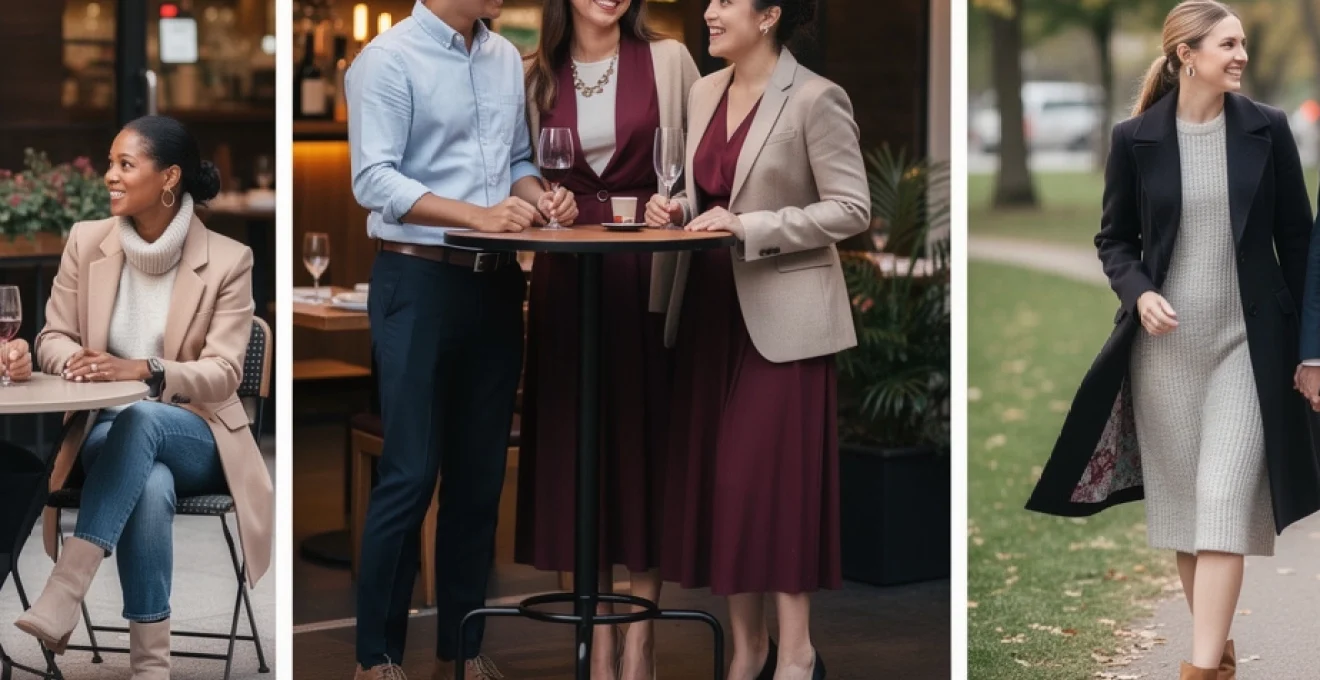
Coffee shop dates represent the quintessential low-pressure first meeting, typically occurring during daytime hours with an inherently relaxed atmosphere. This setting calls for effortlessly polished attire that balances comfort with intentionality. Think well-fitted denim in darker washes paired with a quality cotton or linen shirt—avoid anything too distressed or casual that might suggest insufficient effort. The objective is to appear as though you naturally dress well without having agonised over every detail. Footwear choices should prioritise both style and practicality; clean leather trainers, Chelsea boots, or ankle boots in neutral tones work exceptionally well. Layering adds dimension to simpler outfits—a lightweight cardigan or unstructured blazer creates visual interest whilst allowing temperature adjustment as needed.
Smart casual requirements for restaurant and bar environments
Restaurant and bar settings occupy the middle ground of first date formality, requiring what industry professionals term “smart casual” attire. This dress code combines elements of formal and informal styling to create a sophisticated yet approachable aesthetic. For these environments, elevate your outfit beyond everyday casual wear whilst stopping short of full formal attire. Tailored chinos or dark denim paired with a button-down Oxford shirt creates a universally flattering silhouette. The addition of a blazer instantly elevates the ensemble, providing structure and demonstrating thoughtfulness in presentation. Fabric quality becomes particularly noticeable in restaurant lighting—opt for natural fibres like cotton, linen, or wool blends that drape well and resist wrinkling. Footwear should complement the refined nature of the setting; leather brogues, loafers, or heeled ankle boots communicate polish without pretension.
Elevated evening wear for theatre, gallery, and cultural date locations
Cultural venues like theatres, galleries, and concert halls often warrant a more refined approach to first date dressing. These settings provide an opportunity to showcase your appreciation for occasions that call for elevated styling. However, avoid veering into black-tie territory unless specifically indicated—the goal remains approachability balanced with sophistication. A well-tailored suit in navy or charcoal grey, paired with a quality dress shirt, strikes an ideal balance. Alternatively, tailored trousers combined with a fine-knit merino jumper and blazer offers refined comfort. For those preferring dresses, midi-length options in structured fabrics like crepe or ponte provide elegant coverage whilst remaining date-appropriate. The theatre or gallery setting allows for slightly bolder styling choices—a statement watch, distinctive cufflinks, or carefully selected jewellery can express personality without overwhelming your
overall look. Footwear can be marginally dressier here—think sleek leather boots, low block heels, or refined loafers that allow you to move comfortably between standing, walking, and sitting. When in doubt, ask yourself whether your first date outfit would look appropriate in a business-casual office followed by dinner; if the answer is yes, you are likely pitching your theatre or gallery look at exactly the right level.
Outdoor activity dress standards for park walks and adventure dates
Outdoor and activity-based first dates—such as park walks, mini golf, bike rides, or casual hikes—require a practical yet considered approach. The objective is to avoid looking as though you have rolled out of the gym, whilst still being able to move freely and remain weather-appropriate. Opt for high-quality active or athleisure wear in muted, coordinated colours rather than loud logo-heavy pieces. Think slim or straight-leg jeans, chinos, or technical trousers combined with a breathable T-shirt or polo, layered under a lightweight jacket or gilet.
Footwear becomes especially important for these scenarios; supportive trainers, hiking shoes, or robust boots are more appropriate than dress shoes or delicate heels. Choose pieces that are resistant to light rain or wind and ensure you are comfortable sitting on grass, park benches, or café chairs. Subtle accessories—such as a baseball cap, beanie, or simple backpack—can enhance the look without tipping into full sportswear territory. Above all, prioritise clothing that allows you to participate fully in the activity, so you can focus on connection rather than worrying about impractical outfit choices.
Colour psychology and strategic palette selection for romantic first impressions
Beyond silhouette and formality, colour plays a powerful role in shaping first impressions on a date. Multiple psychological studies have shown that certain hues are consistently associated with traits such as reliability, confidence, and warmth. Wearing the right colour palette for your first date can subtly reinforce the qualities you hope to communicate, much like choosing the right lighting for a photograph. Rather than relying solely on trends, a strategic approach to colour considers both universal associations and your unique skin tone.
When planning what to wear for a first date to make a great impression, think of your outfit palette as the background music to your personality: it should enhance the mood without drowning out the main event. Deep, saturated tones tend to feel more sophisticated than brights, while soft neutrals often appear calming and approachable. By understanding how shades such as navy, burgundy, and earth tones influence perception, you can build first date outfits that look cohesive, intentional, and aligned with the impression you wish to make.
Leveraging navy and burgundy tones for trustworthiness and sophistication
Navy and burgundy are widely regarded as two of the most reliable colours for creating a strong yet understated impression on a first date. In corporate environments, navy is frequently used for uniforms and business suits precisely because it signals trust, competence, and emotional stability. On a date, a navy blazer, dress, or knitwear piece carries the same reassuring effect, suggesting a grounded, dependable personality without feeling overly formal. These deep blues also flatter a wide range of skin tones, making them a safe yet impactful choice.
Burgundy, maroon, and deep wine shades introduce an additional layer of sophistication and quiet romance. Unlike bright red—which can sometimes feel aggressive or overly bold—burgundy communicates depth, maturity, and subtle passion. A burgundy shirt, slip dress, or fine-knit jumper pairs beautifully with black, charcoal, or navy for evening dates, especially in restaurant or theatre settings. If you are unsure which colours to incorporate into your first date wardrobe, starting with navy and burgundy staples offers a versatile foundation that works across seasons and venues.
Avoiding overwhelming neon and high-contrast colour combinations
While colour can be a powerful ally, it can also distract if used without restraint. Neon brights, extremely saturated hues, and high-contrast combinations (such as black and fluorescent yellow) tend to dominate visual attention. On a first date, you want your companion to focus on your face and conversation, not be subconsciously overwhelmed by your outfit. Excessive contrast can also create a harsher appearance in dim restaurant lighting or smartphone photos, which may not align with the softer, more relaxed impression you intend.
This does not mean you should avoid colour entirely if you enjoy expressive dressing. Instead, consider tempering bold hues with neutrals or choosing one focal colour rather than several competing tones. For example, a cobalt blue shirt with dark jeans or a fuchsia blouse under a navy blazer can look striking without feeling chaotic. Think of colour like seasoning in cooking: a little can elevate the whole experience, but too much risks overpowering the dish. When in doubt, ask whether your outfit would still feel balanced if you removed one colourful element—if the answer is yes, you are likely on the right track.
Incorporating neutral earth tones for approachability and warmth
Neutral earth tones—such as camel, taupe, olive, terracotta, and warm beige—are particularly effective for signalling approachability and emotional warmth on a first date. These shades often evoke natural landscapes and cosy interiors, creating a subconscious feeling of comfort and safety. For daytime coffee dates or park walks, combining light neutrals with soft textures (like knitwear or brushed cotton) can make you appear relaxed and easy to talk to, which is crucial when you are both still getting to know each other.
Earth tones are also highly versatile in a first date capsule wardrobe, as they mix effortlessly with black, navy, and white. An olive overshirt over a white T-shirt and dark jeans, or a camel cardigan layered over a slip dress, can carry you seamlessly from casual cafés to more refined wine bars. If you are concerned about pale neutrals washing you out, focus on keeping warmth and contrast near your face—through a slightly deeper-toned top, a soft lipstick, or a scarf in a complementary shade. The aim is to create a harmonious palette that enhances your features, rather than competing with them.
Fabric selection and garment construction for confidence and comfort
Fabric choice and garment construction are often overlooked when planning what to wear for a first date, yet they have a direct impact on both appearance and comfort. An outfit may look excellent in the mirror but feel restrictive, itchy, or overly warm once you are seated across from someone in a heated restaurant or crowded bar. When you are physically uncomfortable, it becomes much harder to relax into conversation or appear confident. Prioritising breathable, well-constructed pieces helps you stay present and engaged, rather than fidgeting with seams or worrying about sweat marks.
High-quality materials typically drape more elegantly, resist creasing, and photograph better—useful in an age where many dates begin or end with a quick selfie. Construction details such as darts, seams, and lining determine how garments sit on the body and whether they flatter your natural shape. By paying attention to fabric content labels and trying on key pieces in advance, you can build a small rotation of first date outfits you trust to look polished and feel comfortable from arrival to goodbye.
Choosing breathable cotton-blend and merino wool materials
For most first date scenarios, particularly in mild or temperate climates, breathable fabrics like cotton and merino wool are ideal. Cotton—especially in poplin, oxford, or jersey knits—allows air circulation and absorbs moisture, reducing the risk of visible perspiration during warmer moments or bouts of nervousness. Look for cotton blends with a small percentage of elastane or modal for added stretch and softness; these materials retain their shape while moving with your body, making them perfect for shirts, dresses, and slim-fit trousers.
Merino wool is another excellent choice for date night clothing, especially in cooler weather. Unlike traditional wool, merino fibres are fine, soft against the skin, and naturally temperature-regulating. A lightweight merino jumper layered over a shirt or under a blazer provides warmth without bulk, and it resists odours—useful if your evening involves travel on public transport or multiple venues. Investing in a few well-made cotton and merino staples ensures your first date wardrobe feels luxurious and practical at the same time.
Structured versus relaxed fit silhouettes for body confidence
Silhouette plays a crucial role in how confident you feel in your first date outfit. Structured garments—such as tailored blazers, darted dresses, or slim-cut trousers—offer definition and shape, often creating a more polished, put-together look. These pieces can sharpen your posture and visually streamline your frame, much like a well-designed frame enhances a piece of art. However, too much structure can feel restrictive, particularly if you are sitting for long periods or moving between venues.
Relaxed fits, on the other hand, can convey ease and modernity, especially when balanced with at least one more structured element. For example, pairing a relaxed, wide-leg trouser with a fitted top, or an oversized shirt with tapered jeans, prevents your outfit from appearing shapeless. The most flattering first date silhouettes usually fall somewhere in the middle: lightly tailored pieces that skim rather than cling, offering enough structure to highlight your proportions without compromising comfort. If you find yourself constantly adjusting or sucking in your stomach in front of the mirror, consider sizing up or choosing a slightly more relaxed cut.
Avoiding restrictive synthetic fabrics and uncomfortable tailoring
While synthetic fabrics like polyester and nylon have their place—particularly in technical outerwear—they can pose challenges in first date contexts. Many cheap synthetics trap heat and moisture, leading to discomfort, odour, and visible perspiration under warm indoor lighting. Shiny finishes can also read as lower-quality in person, even if they photograph reasonably well. For garments worn close to the skin, especially tops and dresses, prioritise natural or high-quality blended fibres over fully synthetic options whenever possible.
Similarly, overly tight tailoring or rigid constructions can undermine your confidence by limiting movement. A pencil skirt that rides up when you walk, shoes that rub after ten minutes, or trousers that dig into your waist when seated will inevitably distract you from the conversation. When you are trying on potential first date outfits, sit, stand, and walk around to test comfort levels. Ask yourself: could you comfortably walk a few extra streets, climb stairs, or lean forward without worrying about an exposed seam or gaping button? If the answer is no, save that piece for a different occasion.
Gender-specific styling strategies for optimal first date presentation
While style principles like fit, fabric, and colour apply universally, it is also helpful to explore gender-specific strategies when considering what to wear for a first date. Men, women, and non-binary individuals often face different expectations and challenges when choosing outfits, especially in relation to traditional dress codes. Rather than rigidly conforming to stereotypes, the goal is to understand the building blocks of polished looks within each category, and then adapt them to your personality and comfort level.
Think of these strategies as starting points rather than strict rules. Many wardrobes today are happily gender-fluid, and pieces like tailored trousers, shirts, and knitwear can be styled in countless ways across gender identities. By identifying a few reliable outfit formulas—such as “Oxford shirt, chinos, and desert boots” or “midi dress, leather jacket, and ankle boots”—you create a personal uniform that reduces decision fatigue and lets your personality take centre stage on the date itself.
Men’s wardrobe essentials: oxford shirts, chinos, and desert boots
For men wondering what to wear on a first date, a simple, well-executed smart casual formula rarely fails. A crisp Oxford shirt in white, light blue, or soft grey is a versatile foundation that suits coffee shops, wine bars, and informal dining alike. The Oxford’s slightly textured weave feels more relaxed than a formal dress shirt, while still communicating care and intention. Pair this with well-fitting chinos or dark, straight-leg denim—avoiding excessive distressing or overly skinny cuts that can appear dated or uncomfortable.
On the footwear front, desert boots and chukka boots in suede or smooth leather strike an ideal balance between casual and refined. Their clean lines and ankle height work with both jeans and chinos, and they tend to be more forgiving than dress shoes if you end up walking further than planned. Finish the look with a minimal leather belt and, if appropriate for the venue, an unstructured blazer or lightweight jacket. This combination reads as contemporary, confident, and adaptable across a wide range of first date scenarios.
Women’s versatile combinations: midi dresses, tailored trousers, and ankle boots
For women, one of the most reliable first date outfit formulas centres on the midi dress. Midi lengths offer coverage and ease of movement, while still feeling feminine and flattering for seated and standing moments alike. Choose a style in a breathable fabric with a defined waist or gentle A-line shape; wrap dresses and bias-cut slips are particularly effective for creating a softly contoured silhouette. A midi dress paired with ankle boots and a leather or denim jacket transitions seamlessly from daytime coffee to evening cocktails.
Alternatively, tailored trousers combined with a blouse or knit top can feel just as polished, with a slightly more androgynous edge. High-waisted, wide-leg trousers elongate the legs when paired with heeled ankle boots or block-heel sandals, while a tucked-in top creates structure at the waist. Keep prints and embellishments moderate for a first meeting, focusing instead on texture, fit, and well-chosen accessories. The aim is to assemble an outfit that would feel equally appropriate at a smart brunch, gallery opening, or casual dinner date.
Non-binary outfit formulation for authentic self-expression
For non-binary individuals, dressing for a first date can involve navigating both personal identity and others’ expectations. The priority should always be authenticity—choosing clothing that aligns with how you wish to be perceived, rather than conforming to binary norms. A good starting point is to identify silhouettes and pieces that make you feel most yourself, whether that leans more traditionally masculine, feminine, or sits comfortably in the middle. Then, refine these choices using the same principles of fit, fabric, and venue-appropriateness discussed earlier.
Consider pairing tailored, gender-neutral staples—such as straight-leg trousers, boxy shirts, or structured knitwear—with subtle details that reflect your personality, like jewellery, footwear, or colour accents. For example, straight-cut black jeans with a soft oversized shirt and Chelsea boots can feel balanced and modern, while a tailored blazer over a simple T-shirt works across many date settings. Ask yourself: if you met someone dressed this way, would their outfit help you understand their personality? If the answer is yes, you are likely on the right track for an authentic first date look.
Layering techniques with blazers, cardigans, and statement outerwear
Layering is an invaluable tool when dressing for unpredictable weather and varied venues, and it also adds visual interest to your first date outfit. A well-chosen outer layer can transform a basic jeans-and-T-shirt combination into something that feels deliberate and date-ready. Blazers, cardigans, and statement jackets each bring a different energy: blazers introduce structure and polish, cardigans soften and relax a look, and bold outerwear pieces (such as a leather biker or trench coat) can communicate confidence and style awareness.
Effective layering relies on balancing proportions and textures. A slim-fit blazer works well over a lightweight knit or shirt, while chunkier cardigans pair best with more fitted pieces underneath to avoid bulk. If you opt for a statement coat—perhaps in camel, navy, or a subtle check—keep the rest of your outfit relatively simple to let the outerwear shine without overwhelming your date. Practical considerations matter too; choose outer layers you can comfortably drape over a chair or wear indoors if the venue is cooler than expected, so you are not distracted by temperature discomfort.
Accessory curation and grooming standards for polished appearance
Accessories and grooming are the finishing touches that elevate your first date outfit from adequate to memorable. While clothing establishes the broad strokes of your look, details such as jewellery, watches, shoes, fragrance, and hair signal attentiveness and self-respect. In many cases, these smaller elements are what your date notices at close range—when you gesture with your hands, lean forward to speak, or sit across a small table. Thoughtful curation ensures these details support the impression you wish to create.
Importantly, more is not always better. Over-accessorising or wearing heavy, distracting pieces can draw attention away from your face and conversation. On a first date, aim for a considered, minimalist approach that suggests you have made an effort without appearing to perform for attention. Well-maintained grooming—clean nails, neat facial hair or clean-shaven skin, and tidy hair—forms the baseline of a polished appearance and communicates respect for both yourself and your companion.
Minimalist jewellery approaches: watches, subtle necklaces, and stud earrings
Jewellery should enhance rather than dominate your first date outfit. Minimalist pieces—such as slim watches, delicate necklaces, and small stud earrings—add refinement without overwhelming your look or jangling distractingly during conversation. A classic watch in leather or metal subtly communicates reliability and time-consciousness, especially if paired with a coordinated belt or bracelet. For many, a single, well-chosen watch can function as both accessory and practical tool throughout the evening.
Necklaces and earrings are best kept scaled to the intimacy of the setting. In a quiet wine bar or restaurant, understated studs and fine chains sit comfortably in your date’s field of vision without competing with your facial expressions. If you enjoy bolder pieces, consider choosing just one focal item—perhaps a statement ring or pendant—and keeping everything else simple. This approach mirrors good graphic design: one point of focus draws the eye, while supporting elements remain harmonious and understated.
Footwear selection between leather brogues, loafers, and clean trainers
Few style choices influence first impressions as powerfully as footwear. Studies in social psychology have shown that people often infer traits like responsibility and attention to detail from the condition of someone’s shoes. On a first date, opting for clean, well-maintained footwear is therefore non-negotiable. For smart casual and semi-formal settings, leather brogues and loafers provide a timeless option that pairs well with chinos, tailored trousers, and dark denim. Their structured silhouette communicates polish without feeling as formal as dress shoes reserved for black-tie events.
Clean trainers, meanwhile, are increasingly acceptable in many modern date venues, provided they are minimalist and in good condition. White or black leather trainers with simple lines can look sophisticated when paired with tailored pieces, acting as a bridge between casual comfort and refined styling. The key is ensuring your footwear matches the overall tone of the outfit and activity; hiking trainers at a fine-dining restaurant or polished loafers on a muddy park walk will send conflicting signals. Before committing to a pair, ask yourself whether you could comfortably walk for twenty minutes without discomfort—if not, consider an alternative.
Fragrance application protocol and scent intensity management
Fragrance can be a powerful asset on a first date, adding an invisible yet memorable layer to your overall presentation. Scent is strongly tied to memory, and a pleasant, subtle fragrance can leave a lasting positive impression long after the evening ends. However, over-application can easily backfire, especially in confined or intimate settings. The goal is to create a gentle aura of scent that is noticeable only within arm’s length, not to announce your arrival from across the room.
As a general rule, two to four light sprays are sufficient: one on each wrist and one or two on pulse points such as the neck or behind the ears. Avoid spraying directly onto clothing, as some fragrances can stain fabrics or linger too strongly. If you are unsure about intensity, ask a trusted friend for feedback or test a new scent on a low-stakes outing before wearing it on a first date. Remember that personal hygiene—freshly laundered clothes, clean skin, and good oral care—forms the foundation; fragrance should enhance, not mask.
Hair styling and facial grooming for clean, contemporary presentation
Hair and grooming choices communicate as much about you as your clothing, particularly at close range. For men, neatly trimmed facial hair or a clean shave, combined with a tidy haircut, suggests reliability and self-discipline. It is wise to avoid drastic hair changes immediately before a first date; instead, schedule trims a few days in advance so your style has time to settle. Women and non-binary individuals may opt for hairstyles that feel familiar and comfortable rather than experimental updos that require constant adjustment.
The same principle applies to makeup: the most effective first date looks enhance your features while remaining consistent with how you typically present yourself. Heavy, unfamiliar styles can feel like costume and may not hold up under changing lighting or weather conditions. Regardless of gender, aim for well-groomed eyebrows, clean nails, and moisturised skin. These understated details signal that you take care of yourself, which can be as attractive as any specific piece of clothing.
Seasonal adaptation techniques and weather-responsive outfit adjustments
Seasonal considerations play a crucial role in planning what to wear for a first date to make a great impression. An outfit that looks perfect in theory may become impractical if you are shivering through a winter walk or overheating during a summer terrace drink. Dressing appropriately for the weather demonstrates foresight and respect for both your own comfort and your date’s experience. It also reduces the likelihood of awkward moments—such as having to leave early because you are too cold, or constantly fanning yourself in a warm bar.
Adapting your first date wardrobe across seasons does not require an entirely separate set of clothes. Instead, focus on versatile layering pieces and fabric choices that respond to temperature and conditions. Think of your outfit as a modular system: a base layer, a mid-layer for insulation, and an outer layer for protection. By adjusting these components, you can maintain a consistent personal style whether you are meeting in July sunshine or January drizzle.
Spring and summer lightweight linen and breathable cotton combinations
In spring and summer, prioritise breathable, lightweight fabrics that allow air to circulate and minimise visible perspiration. Linen is a standout choice for warm-weather first dates; its natural fibres wick moisture and create a relaxed, effortless aesthetic that suits both daytime cafés and evening rooftop bars. A linen shirt with rolled sleeves paired with chinos or tailored shorts, or a linen-blend midi dress with sandals, can keep you cool while still looking intentional and put-together.
Cotton remains a reliable option in hotter months, particularly in looser weaves like seersucker or gauze. When temperatures rise, opt for slightly looser silhouettes to promote airflow—think wide-leg trousers, boxy shirts, or dresses with movement. Lighter colours reflect heat and can feel visually fresher, though you may wish to avoid very pale shades if you are concerned about marks from outdoor seating. Finally, consider practical accessories such as sunglasses and hats for daytime dates; not only do they protect you from the sun, they also add a stylish, seasonally appropriate touch.
Autumn transitional layering with knitwear and denim jackets
Autumn is often the ideal season for first dates from a styling perspective, as it naturally invites layered, textured outfits that look considered without much effort. Transitional dressing in this period centres on mid-weight fabrics such as cotton knits, lightweight wool, and denim. A fine-knit jumper over a collared shirt, combined with jeans and boots, offers warmth on cooler evenings while allowing you to shed layers if you step into a heated bar or restaurant.
Denim and leather jackets come into their own in autumn, providing a versatile outer layer that works with dresses, skirts, and trousers alike. Earth tones and richer shades—burgundy, forest green, mustard—feel seasonally appropriate and visually engaging in softer, golden light. When planning an autumn first date outfit, check the forecast carefully for sudden temperature drops or rain, and consider carrying a compact umbrella or scarf. Being prepared not only prevents discomfort, it also subtly communicates reliability and thoughtfulness.
Winter date attire featuring wool coats and thermal base layers
Winter first dates present a particular challenge: you want to look stylish, but warmth and practicality become non-negotiable. The solution lies in high-quality outerwear and strategic layering. A well-cut wool coat in camel, navy, or charcoal instantly elevates even simple outfits and can become the focal point of your winter date wardrobe. Underneath, thermal base layers—such as merino long-sleeve tops or tights—provide insulation without bulk, allowing you to maintain a streamlined silhouette.
Footwear should prioritise grip and weather resistance; leather boots with rubber soles are often ideal for navigating wet or icy pavements while still appearing polished. Accessories such as scarves, gloves, and beanies offer opportunities to introduce colour and texture, as well as additional warmth. If your date involves moving between indoor and outdoor spaces, aim for pieces you can easily remove without disrupting your entire outfit. The goal is to be able to enjoy a winter walk, festive market, or cosy pub without constantly thinking about how cold you are—freeing you to focus fully on the person in front of you.