
# Fashionable Face Masks: When Style Meets Practicality
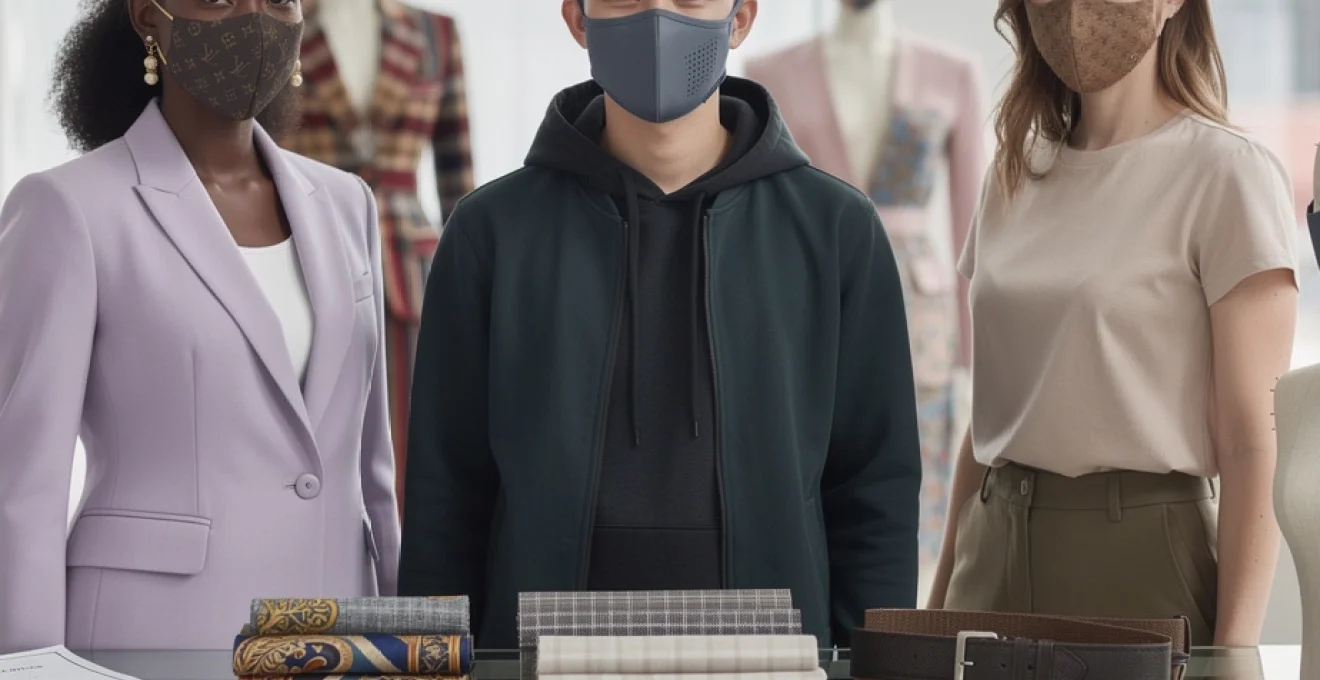
The face mask has undergone a remarkable transformation from purely functional medical equipment to a fashion-forward accessory that occupies a permanent place in contemporary wardrobes. What began as an urgent public health necessity has evolved into an opportunity for self-expression, with designers, textile innovators, and fashion houses reimagining what protective face coverings can be. Today’s discerning consumers refuse to compromise between safety and style, demanding masks that deliver genuine protection whilst complementing their carefully curated personal aesthetic. The convergence of advanced fabric technologies, ergonomic engineering, and high-fashion sensibilities has created an entirely new category within the accessories market—one that addresses both respiratory health concerns and the very human desire to present ourselves confidently to the world.
This evolution reflects broader shifts in how society approaches wellness, personal protection, and the integration of health-conscious choices into daily routines. The most successful mask designs balance technical performance with visual appeal, proving that protective equipment need not sacrifice elegance or comfort. Whether navigating urban environments with fluctuating air quality, commuting through crowded transport systems, or simply seeking an additional layer of protection during seasonal illness peaks, individuals increasingly view fashionable face masks as essential wardrobe components rather than temporary inconveniences.
Textile innovation: advanced fabric technologies for protective face coverings
The revolution in fashionable face masks begins at the material level, where textile scientists and fabric engineers have developed sophisticated compositions that deliver both filtration efficiency and wearing comfort. These innovations represent years of research into how different fibres interact with airborne particles, moisture management, and skin compatibility. Understanding these technical foundations helps you make informed choices when selecting masks that will perform reliably throughout extended wear periods whilst maintaining their protective properties through multiple laundering cycles.
Antimicrobial cotton blends with silver ion integration
Silver ion technology represents one of the most significant advances in antimicrobial textile treatments for face masks. These specialized cotton blends incorporate microscopic silver particles that actively inhibit bacterial growth on the fabric surface, reducing odour development and maintaining hygiene between washes. The silver ions disrupt bacterial cell membranes, effectively neutralizing microorganisms that accumulate during normal wear. High-quality antimicrobial cotton blends typically contain between 2-5% silver nanoparticles, distributed evenly throughout the weave to ensure consistent protection across the entire mask surface. These fabrics maintain their antimicrobial properties through approximately 30-50 wash cycles, making them exceptionally practical for daily use.
The cotton base provides inherent breathability and moisture absorption, addressing one of the primary comfort concerns associated with prolonged mask wearing. When combined with silver ion treatment, these fabrics offer dual functionality—mechanical filtration through the cotton weave structure and active antimicrobial protection through the silver component. This combination has become particularly popular among fashion-conscious consumers who appreciate natural fibres but require enhanced protective features. Leading fashion brands have embraced these materials, creating masks in contemporary prints and patterns that conceal their technical sophistication beneath aesthetically pleasing exteriors.
Breathable Polyester-Spandex performance materials
Athletic wear technologies have migrated into face mask construction, with polyester-spandex blends delivering exceptional stretch recovery and dimensional stability. These performance fabrics, typically composed of 85-92% polyester with 8-15% spandex, create a contouring effect that adapts to individual facial structures whilst maintaining consistent filter contact with the skin. The elasticity inherent in these blends eliminates the need for rigid structural elements, resulting in masks that feel almost weightless during wear. This flexibility proves particularly valuable for individuals with distinctive facial features or those who find traditional rigid masks uncomfortable during extended periods.
The polyester component provides durability and colour retention, ensuring that fashionable prints and dyes remain vibrant through repeated laundering. Modern polyester manufacturing has addressed historical concerns about breathability, with new microfibre constructions creating channels that facilitate air exchange without compromising filtration. The hydrophobic nature of polyester also prevents moisture accumulation, reducing the risk of maskne—the skin irritation that occurs when humidity becomes trapped against facial skin. Fashion designers have leveraged these materials to create sleek, minimalist masks that complement athletic
and athleisure wardrobes, proving that a protective face covering can look as streamlined as your favourite technical leggings or running jacket. When you are searching for the best breathable face mask for commuting or exercising, polyester-spandex combinations are often a strong candidate, particularly if you prefer a close, seam-light silhouette that sits flush to the face without gaping.
Moisture-wicking bamboo fibre composites
Bamboo-derived fabrics have emerged as a leading option for those seeking soft, breathable and eco-conscious face mask materials. Viscose or rayon made from bamboo pulp offers a naturally smooth hand-feel, low friction against the skin, and excellent moisture-wicking capabilities—drawing perspiration away from the face and allowing it to evaporate more quickly. This combination significantly improves comfort during long wear periods, especially in warm climates or crowded indoor environments where heat and humidity can build beneath the mask.
Many contemporary mask designers use bamboo fibre composites in multi-layer constructions, pairing bamboo on the inner layer for skin comfort with a denser cotton or polyester outer shell for structure and filtration. Some bamboo fabrics also exhibit mild antibacterial properties, which can help reduce odour development between washes, although these claims vary by manufacturer and should not be confused with medical-grade antimicrobial treatments. For people prone to irritation, maskne or eczema, bamboo-blend inner linings often feel less abrasive than traditional cotton, making them a compelling choice for fashionable face masks designed for all-day wear. When you are evaluating fabric labels, look for descriptors such as bamboo viscose or bamboo rayon combined with terms like moisture-wicking and breathable to identify these performance composites.
Hepa-grade filter pocket construction standards
While outer fabrics determine how a mask looks and feels, true protective performance often hinges on what sits in the middle. Many of the best reusable face masks now incorporate dedicated filter pockets engineered to accept HEPA-grade inserts, borrowing principles from air purifier and vacuum filtration. HEPA (High Efficiency Particulate Air) materials are capable of capturing at least 99.97% of particles 0.3 microns in diameter under laboratory conditions, and when adapted into mask filters, they can dramatically enhance overall filtration efficiency compared with fabric alone. Of course, the mask’s fit and design still play a crucial role—no filter can compensate for large gaps around the nose or cheeks.
Quality filter pockets follow certain construction standards: they are typically positioned between the inner comfort layer and the decorative outer layer, with openings that allow easy insertion and removal without distorting the mask shape. The pocket should cover the entire breathing zone—from the bridge of the nose to beneath the chin—so that inhaled and exhaled air passes through the filter rather than bypassing it at the edges. Stitching needs to be precise and flat to avoid pressure points on the face, while still robust enough to withstand frequent laundering. When comparing fashionable HEPA filter masks, it is worth checking whether the brand publishes filtration test data, how often filters should be replaced (many recommend every 16–24 hours of use), and whether replacement cartridges are readily available. This level of transparency is a strong indicator that style has not overshadowed function.
Designer collaborations redefining pandemic fashion aesthetics
As face coverings shifted from emergency measures to everyday essentials, luxury houses and cult streetwear labels stepped in, reshaping how we perceive mask-wearing in public life. What began as a practical health intervention quickly became part of the wider conversation around personal branding, outfit coordination and social signalling. When high-end designers place their signature motifs on masks, they do more than decorate a surface; they legitimise the accessory as a long-term element of fashion culture. This has led to an explosion of demand for designer face masks that balance recognisable aesthetics with credible protective features.
From monogrammed silk and technical nylon to bold logos and archival prints, designer collaborations have turned the once-clinical mask into an object of desire. Celebrity endorsements—on red carpets, in airports and on social media—have amplified this shift, showing that even the most glamorous ensembles can incorporate a face covering without diminishing their impact. Yet amid the hype, the most thoughtful collaborations maintain a focus on responsible materials and construction standards, aligning with evolving consumer expectations around both safety and sustainability.
Louis vuitton monogram canvas face masks collection
Louis Vuitton was among the earliest luxury houses to hint at face mask integration within its broader accessories ecosystem, leveraging its globally recognisable monogram canvas as a visual anchor. While the brand’s primary protective efforts focused on PPE donations and production of medical-grade equipment for frontline workers, fashion-conscious consumers quickly gravitated towards LV-branded coverings, formal or otherwise, whether as official releases in certain markets or as coordinated pieces styled with monogram scarves, headbands and leather goods. The iconic LV pattern confers an immediate sense of status, transforming a simple health measure into an extension of one’s luxury handbag or luggage collection.
In terms of design language, Louis Vuitton’s approach emphasises harmony with existing product lines: neutral brown and beige tones, monogram flowers, and clean edges that echo the proportions of classic wallets and cardholders. Some offerings incorporate adjustable elastic or soft fabric ties to ensure a better fit across different face shapes, an important consideration when pairing with statement eyewear or jewellery. For anyone investing in a high-end face mask to wear with tailored outerwear, the key is to confirm that the lining uses breathable materials and that the construction allows for adequate coverage over the nose and chin, rather than functioning as a purely decorative overlay.
Burberry check pattern adaptations for face protection
Burberry’s signature check has long been associated with outerwear designed to withstand the elements, making its transition onto face coverings a logical evolution. The brand’s masks, often crafted from upcycled fabric offcuts, bring heritage aesthetics to the forefront while supporting more sustainable production models. Classic beige check patterns sit alongside seasonal colourways, allowing you to coordinate your mask with trench coats, scarves or even tailoring. This coherence is particularly appealing in professional settings, where a refined, recognisable motif can make a subtle yet polished statement.
Functionally, Burberry face masks tend to feature multi-layer cotton constructions, adjustable ear loops and integrated nose wires to improve the seal across the bridge. Some designs come with matching pouches, encouraging better mask hygiene by keeping the interior surface away from keys, phones and other items in your bag. The combination of heritage pattern, thoughtful ergonomics and an emphasis on reusing existing textiles exemplifies how heritage brands can reinterpret their icons for a world where fashionable face masks are as routine as umbrellas and gloves.
Off-white industrial belt strap design integration
Streetwear label Off-White has consistently blurred the boundaries between utility and irony, and its approach to face masks is no exception. Drawing on the now-famous industrial belt motif—characterised by bold typography, safety colours and hardware detailing—Off-White masks channel the aesthetic of construction sites and hazard tape into wearable art. Wide elastic straps inspired by those belts offer both visual drama and functional security, distributing pressure more evenly than thin ear loops and reducing discomfort during extended wear.
Off-White’s graphic language, with quotation marks and directional arrows, lends itself naturally to the surface area of a mask, turning the lower half of the face into a canvas for conceptual messaging. Yet beneath the visual impact, many of these designs incorporate multiple fabric layers, filter pockets and adjustable features in line with contemporary performance expectations. For fans of urban fashion, an Off-White industrial belt mask provides a way to align their daily protective gear with the rest of their wardrobe, from hoodies and sneakers to crossbody bags, without treating the mask as an afterthought.
Versace baroque print limited edition releases
Versace’s baroque prints—lavish swirls of gold, chains and acanthus leaves—have always conveyed a sense of unapologetic glamour, and their translation onto face coverings continues that legacy. Limited edition Versace masks transform a functional accessory into a jewel-like focal point, particularly when paired with sleek black outfits or tailored eveningwear. In social settings where dress codes remain formal but awareness of respiratory health persists, such pieces demonstrate that safety-conscious choices and opulence can coexist.
These limited edition face masks often use silk or silk-blend outer layers printed with archival motifs, backed by cotton or technical linings for improved breathability and structure. Elasticated straps, sometimes embellished with subtle branding, help maintain a secure yet comfortable fit. Because silk is more delicate and less absorbent than cotton, owners of designer silk face coverings are advised to follow care instructions carefully—typically hand washing in cool water—to preserve both the print clarity and the mask’s overall integrity. When worn judiciously and cared for properly, a Versace baroque mask can serve as a long-lasting statement piece within a curated collection of fashionable face masks.
Ergonomic fit engineering: three-dimensional pattern making techniques
Even the most advanced textiles and striking prints cannot compensate for a poor fit. Ergonomic engineering has therefore become a central focus in the development of modern face coverings, borrowing expertise from fields such as sports equipment design and medical device fabrication. The goal is simple but technically demanding: create three-dimensional shapes that conform closely to the contours of the face while allowing natural movement, speech and breathing. If you have ever worn a mask that gaped at the sides or collapsed against your mouth when you inhaled, you have experienced the limitations of flat, two-dimensional patterns.
Three-dimensional mask patterns use curved seams, darts and strategically placed panels to create volume where it is needed and tension where a seal is required. This approach distributes pressure more evenly across the cheeks, nose and chin, reducing the likelihood of red marks or soreness after hours of continuous wear. It also improves filtration efficiency by guiding air through the mask’s materials rather than allowing it to escape through gaps, which can be particularly important in crowded indoor settings or on public transport. Ergonomic face masks may look deceptively simple from the outside, but their internal architecture is often the result of extensive prototyping and user testing.
Nose wire mouldability and aluminium strip placement
The humble nose wire is one of the most effective yet overlooked components in mask design. Typically made from thin aluminium or a malleable metal alloy, this strip allows wearers to sculpt the mask around the bridge of the nose, minimising gaps that would otherwise channel exhaled air upward. For glasses wearers, a well-placed, mouldable nose wire can be the difference between constant fogging and clear lenses—a quality-of-life factor that significantly influences whether people keep masks on consistently.
Placement is critical: the strip should sit along the upper edge of the mask, extending at least across the width of the nose and ideally slightly beyond towards the upper cheeks. It needs to be securely anchored within its channel so it does not shift or rotate during wear or washing, yet flexible enough to withstand repeated bending without snapping. Some premium designs use double nose wires or wider, flatter strips to improve the seal and comfort, especially for those with higher or more angular nose bridges. When evaluating fashionable face masks online, it is worth checking product descriptions or close-up images to confirm both the presence and quality of the nose wire—particularly if you rely on prescription glasses or sunglasses day to day.
Adjustable ear loop mechanisms with silicone toggles
Ear loops are another deceptively simple feature that can make or break a mask’s comfort. Fixed-length elastic may work for a narrow range of face sizes, but for many people it either pulls too tightly, causing soreness behind the ears, or sits too loosely, allowing the mask to slide down. Adjustable ear loop mechanisms—often using small silicone or plastic toggles—solve this problem by giving you fine control over the tension. By sliding the toggle closer to or further from the mask body, you can customise the fit in seconds, much like adjusting the straps on a backpack.
Silicone toggles in particular offer several advantages: they are soft against the skin, lightweight, and maintain friction on the elastic, so the setting stays put throughout the day. They also cope well with regular washing without cracking or deforming. Some designs integrate the adjustment hardware into decorative elements, such as branded beads or colour-blocked sliders, turning a purely functional feature into a subtle design detail. If you frequently switch between hairstyles, wear headscarves, or share masks within a household, adjustable mechanisms provide the flexibility needed to keep each user comfortable and securely protected.
Contoured chin coverage in duckbill construction
Duckbill-style masks—so named because of their gently protruding, triangular profile—have gained popularity among both healthcare professionals and style-conscious consumers for good reason. By projecting slightly away from the mouth and nose, they create a small internal “air tent” that reduces the sensation of fabric being drawn into the face when you inhale. This shape also provides generous coverage down to and beneath the chin, which is essential for maintaining a reliable seal, especially when speaking or tilting the head.
From an ergonomic perspective, the contoured chin panel in duckbill construction acts like the lower half of a tailored collar, wrapping around the jawline rather than hanging loosely. This helps prevent the mask from riding up towards the eyes or slipping down over time, issues that can be particularly frustrating in masks with minimal structure. Fashion designers have begun to experiment with duckbill silhouettes in premium fabrics, creating styles that look almost architectural yet remain highly functional. When you are trying on masks of this type, pay attention to how the lower edge behaves when you talk or turn your head; a well-designed duckbill mask should move with you without needing constant readjustment.
Face mapping technology for customised fit algorithms
At the cutting edge of ergonomic mask design lies the use of face mapping technology and digital fit algorithms. Using 3D scanning or large datasets of facial measurements, some manufacturers have begun to develop mask patterns optimised for different face shapes—oval, round, heart-shaped, and more—as well as for common variations in nose height and cheekbone structure. This approach mirrors the way running shoe brands use gait analysis to tailor footwear, recognising that “one size fits all” rarely delivers the best performance or comfort.
In practical terms, face mapping can inform everything from the curvature of seams to the angle of ear loops and the depth of chin cups. Some brands offer virtual fitting tools that allow you to input basic measurements or use your smartphone camera to receive size recommendations, reducing the trial-and-error process when buying fashionable face masks online. While fully bespoke, made-to-measure masks remain a niche luxury, algorithm-driven sizing systems represent a more accessible middle ground. As this technology matures, we can expect to see masks that feel almost custom-made, improving not only comfort but also the consistency of protective coverage across diverse wearer groups.
Regulatory compliance: ASTM F3502 standard for barrier face coverings
As the market for stylish reusable masks expanded rapidly, questions naturally arose: how can you tell whether a fashionable face covering actually offers meaningful protection? In response to this need for clarity, standards organisations introduced guidelines specifically for non-medical masks. One of the most important is ASTM F3502, a voluntary standard developed by ASTM International for “Barrier Face Coverings.” Unlike medical respirator standards such as N95, which focus on healthcare environments, ASTM F3502 is designed for general public use, balancing filtration, breathability and fit.
Under this standard, masks are tested for two key performance metrics: particle filtration efficiency (PFE) and airflow resistance (a measure of breathability). Products that meet the criteria can be labelled as having either Level 1 or Level 2 performance, with Level 2 indicating higher filtration. The standard also considers design features related to fit, such as the presence of adjustable components and coverage area. For consumers, seeing an ASTM F3502 reference on packaging or in product descriptions provides a useful benchmark, signalling that the manufacturer has submitted the mask to independent testing rather than relying solely on marketing language. When you are choosing between two equally attractive masks, the one backed by recognised standards will generally be the more reliable option for everyday protection.
Sustainable manufacturing: eco-conscious production methods for reusable masks
The rise of reusable masks brought a welcome alternative to single-use disposables, which have contributed to a visible increase in plastic waste across streets, parks and waterways. Yet not all reusable options are equally sustainable. Eco-conscious brands are now scrutinising every stage of the mask lifecycle—from fibre sourcing and dye processes to packaging and end-of-life recyclability—to reduce environmental impact. For many consumers, a stylish face mask that also aligns with their values around sustainability is far more appealing than a design that prioritises aesthetics alone.
Common strategies include using organic cotton certified by organisations such as GOTS, incorporating recycled polyester made from post-consumer plastic bottles, and repurposing deadstock fabrics that would otherwise go to landfill. Some designers adopt zero-waste pattern cutting techniques, arranging mask pieces on fabric in a way that minimises offcuts, while others turn those offcuts into matching pouches or accessories. Low-impact, water-saving dyeing methods and non-toxic inks are also becoming more prevalent, particularly in masks intended for prolonged skin contact. When you are assessing the sustainability of a fashionable face mask, it can help to look beyond buzzwords like “eco-friendly” and read the finer details regarding certifications, material composition and manufacturing locations.
Seasonal colour palettes and pattern trends for contemporary face masks
Just as coats, bags and footwear follow seasonal trends, contemporary face masks now reflect the rhythms of the fashion calendar. In cooler months, we see a shift towards rich jewel tones, deep neutrals and tactile fabrics such as brushed cotton and velvet, coordinating with wool coats and knitwear. Spring and summer bring lighter palettes—pastels, crisp whites and sun-faded shades—alongside airy linens and cotton voiles that visually communicate freshness and ease. Florals continue to dominate, ranging from delicate Liberty-style micro prints to oversized, painterly blooms that turn a mask into a statement accessory.
Beyond colour, certain patterns have emerged as enduring favourites for stylish masks: classic stripes that recall Breton tops, subtle polka dots for a retro twist, and animal prints—especially leopard and zebra—for those who prefer bolder accents. Minimalists often gravitate towards solid, desaturated hues like oat, Finnish blue or soft sage, which pair effortlessly with capsule wardrobes and professional attire. You might choose to build a small “mask wardrobe” that mirrors your clothing choices: a rotation of everyday neutrals, a few mood-boosting prints for social occasions, and one or two high-fashion pieces reserved for special events. By treating your face covering as an integrated part of your outfit rather than a last-minute addition, you can ensure that practicality and personal style remain in perfect balance.