
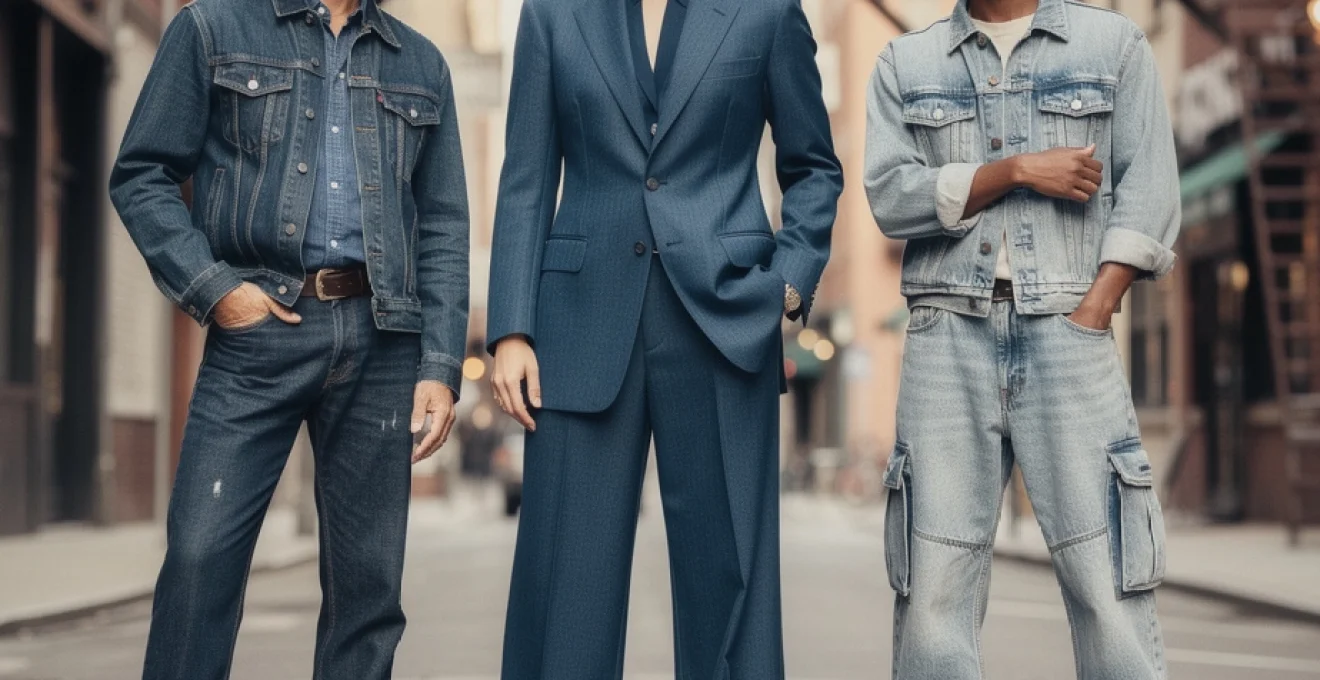
The fashion world operates in cycles, yet few trends possess the enduring magnetism of denim-on-denim styling. This sartorial approach, once dismissed as a fashion faux pas, has evolved into a sophisticated expression of contemporary style that transcends seasonal limitations and demographic boundaries. From its humble origins in American workwear to its current status as a luxury fashion statement, double denim continues to reinvent itself with each passing decade.
What makes this trend particularly fascinating is its ability to adapt to changing fashion sensibilities whilst maintaining its core appeal. Whether styled as a casual weekend ensemble or elevated to red-carpet sophistication, denim-on-denim offers versatility that few other fashion concepts can match. The key lies in understanding the nuanced approach required to execute this look with contemporary relevance and personal flair.
Historical evolution of double denim from workwear to high fashion
The journey of denim-on-denim from practical necessity to fashion statement represents one of the most remarkable transformations in clothing history. Understanding this evolution provides crucial context for appreciating why this trend maintains such cultural significance and continues to influence modern wardrobes across all demographics.
Levi strauss 501 jeans and the american cowboy aesthetic origins
The foundation of double denim can be traced back to the late 19th century American frontier, where practicality dictated fashion choices. Cowboys and railroad workers often wore denim jackets paired with denim trousers, not as a style statement but as a functional necessity. The durability of denim fabric made it ideal for demanding physical labour, and wearing multiple denim pieces ensured consistent protection and longevity.
Levi Strauss & Co.’s introduction of riveted denim workwear in the 1870s established the blueprint for what would eventually become the modern interpretation of coordinated denim styling. The brand’s 501 jeans, launched in 1890, became the archetypal denim trouser that would later be paired with matching jackets across various cultural movements. This functional approach to dressing established denim’s reputation as honest, hardworking fabric that could withstand the rigours of American industrial expansion.
1980s pop culture icons: madonna and britney spears denim revival
The 1980s marked a pivotal moment when denim-on-denim transitioned from workwear to mainstream fashion expression. Pop culture icons like Madonna transformed the utilitarian aesthetic into a rebellious fashion statement that challenged conventional styling rules. Her approach to layering denim pieces with provocative accessories and bold makeup created a new template for how coordinated denim could express individuality and attitude.
The influence extended into the 1990s and early 2000s, when artists like Britney Spears and Justin Timberlake elevated double denim to unprecedented heights of cultural visibility. Their coordinated denim appearances at high-profile events demonstrated how this styling approach could transcend casual wear to become red-carpet appropriate. This period established denim-on-denim as a legitimate fashion choice capable of making powerful style statements.
Calvin klein and versace runway interpretations of canadian tuxedo
The term “Canadian tuxedo” originally carried derogatory connotations, but luxury fashion houses began reclaiming and redefining this narrative throughout the 2000s and 2010s. Calvin Klein’s minimalist approach to denim coordination emphasised clean lines and sophisticated silhouettes, proving that double denim could align with high-fashion sensibilities when executed with precision and attention to detail.
Versace’s interpretation brought opulence to the denim-on-denim concept through embellishments, unique washes, and strategic tailoring that elevated the aesthetic beyond its workwear origins. These luxury interpretations demonstrated how premium materials and expert craftsmanship could transform humble denim into sophisticated fashion statements worthy of international runways and editorial features.
Contemporary luxury brands: balenciaga and bottega veneta denim suiting
Modern luxury brands have embraced denim-on-denim with unprecedented sophistication, creating pieces that blur the boundaries
between tailoring and streetwear. Balenciaga’s oversized denim blazers styled with matching puddle-hem jeans have reframed the Canadian tuxedo as a form of urban power dressing, particularly when paired with pointed heels or sculptural boots. Bottega Veneta, meanwhile, has experimented with denim suiting that mimics traditional wool tailoring, incorporating sharp shoulders, nipped-in waists and precise trouser breaks. These contemporary interpretations underline how double denim has shifted from subcultural uniform to boardroom-adjacent style option, signalling that coordinating denim separates can now carry the same authority as conventional suiting when cut and styled with intent.
Technical fabric construction and denim weight classifications
To style denim-on-denim with confidence, it helps to understand what lies beneath the surface of your favourite pieces. The construction of denim fabric, from yarn composition to finishing technique, directly influences drape, comfort and how well different garments pair together in a double denim outfit. When you begin to recognise fabric weights, weaves and blends, you can curate combinations that feel coherent rather than accidental.
Denim is typically categorised by weight, measured in ounces per square yard, which affects how the fabric behaves when layered. Lighter denims in the 8–10 oz range work well for shirts and spring jackets, while mid-weight fabrics around 11–13 oz are ideal for everyday jeans. Heavier denims of 14 oz and above offer structure and longevity, often favoured by enthusiasts seeking pronounced fade patterns and rigid silhouettes that soften with time.
Raw selvage denim versus stone-washed finishing techniques
One of the most important distinctions in denim-on-denim dressing is the difference between raw selvage denim and stone-washed, pre-treated fabrics. Raw denim is woven, dyed and left unwashed, resulting in a stiff, deep indigo textile that gradually moulds to the wearer’s body. Selvage (or selvedge) refers to the tightly finished edge produced on shuttle looms, often visible as a coloured stripe on the outseam when cuffs are rolled. This construction is prized for its durability and clean, non-fraying finish.
By contrast, stone-washed denim undergoes mechanical abrasion using pumice stones or alternative methods such as enzyme washes and laser finishing. These processes soften the fabric, reduce shrinkage and create the worn-in look many consumers associate with comfortable jeans straight off the rack. For double denim outfits, pairing a raw selvage jacket with softer, stone-washed jeans can add visual depth and textural contrast without overwhelming the silhouette.
From a sustainability perspective, the conversation around washing and finishing has intensified. Traditional stone washing is water- and energy-intensive, while newer ozone and laser technologies significantly reduce environmental impact. When you opt for brands that disclose their finishing methods, you support a shift towards more responsible denim manufacturing while still enjoying the nuanced fades and textures that make double denim visually compelling.
Indigo dyeing processes and fade pattern development
The magic of denim-on-denim styling largely comes from indigo dye’s unique behaviour. Unlike many dyes that penetrate fibres completely, indigo sits on the surface of the yarn, gradually chipping away with wear and washing. This surface-level adherence is why jeans develop high-contrast fade patterns—whiskers at the hips, honeycombs behind the knees and stacking at the hem—that make each garment feel personalised over time.
Traditional rope dyeing involves repeatedly dipping yarns into indigo vats, allowing them to oxidise between immersions to build up colour. The more dips, the deeper the shade, but even the darkest rope-dyed denim retains a white core that reveals itself with abrasion. For double denim outfits, this means you can play with varying stages of fade: a heavily worn jacket layered over crisp, dark jeans, or vice versa, creates a deliberate, lived-in contrast.
As demand grows for eco-conscious fashion, synthetic indigo and water-saving dye technologies are gaining momentum. Some mills now use foam dyeing or reduced-liquor systems that cut water usage by up to 90% compared with conventional processes. When you see references to “responsible indigo” or low-impact dyeing in product descriptions, it signals not only reduced environmental footprint but often more consistent colour—useful when you want tonal denim coordination without patchy or uneven hues.
Cotton blend compositions: elastane and polyester integration
While heritage denim purists often favour 100% cotton, contemporary wardrobes benefit from stretch and performance fibres integrated into classic weaves. Elastane (also known as spandex or Lycra) is commonly added in small percentages—typically 1–3%—to provide flexibility and recovery. This stretch can be particularly valuable in skinny or barrel-leg silhouettes that need to move with the body without bagging out excessively.
Polyester blends, usually between 5–20%, contribute to strength, wrinkle resistance and colour retention, making them popular for everyday jeans and denim shirting. However, higher synthetic content can affect breathability and long-term comfort, especially in warmer climates. For double denim styling, understanding these fibre compositions helps you balance structure and ease—for example, rigid 100% cotton jeans grounded with a slightly stretchy denim shirt or bustier that accommodates movement.
From an environmental standpoint, blends complicate recycling because separating fibres at scale remains technically challenging. As circular fashion systems develop, we are beginning to see innovations in chemical recycling that can process mixed fibres, but these technologies are still emerging. If long-term recyclability is a priority for you, investing in high-quality, predominantly cotton pieces that age well and can be repaired may align better with sustainable double denim styling.
Japanese mills: kuroki and white oak cone denim manufacturing
Among denim enthusiasts, Japanese mills such as Kuroki have achieved near-mythical status for their commitment to craftsmanship. Kuroki, based in Okayama prefecture, is renowned for its meticulous rope-dyeing processes, small-batch production and experimentation with natural indigo and organic cotton. The mill’s fabrics often feature subtle slub textures and irregular yarns, which translate into rich, characterful fades ideal for those who view double denim as a long-term style investment.
Across the Pacific, Cone Mills’ White Oak plant in North Carolina—though now closed—played a foundational role in global denim culture. Its vintage shuttle looms produced iconic selvage fabrics used by major American brands for decades, and deadstock runs from this mill remain highly sought after on the secondary market. When modern collections reference “Cone Mills selvage” or “Japanese selvage” in their denim suiting or coordinated sets, they are tapping into this legacy of heritage manufacturing and slow-made quality.
By choosing garments made from premium mill fabrics, you’re not only investing in durability but also in the visual harmony of your denim-on-denim outfits. Higher-quality denims often age more gracefully, meaning your jacket and jeans will develop compatible fade patterns rather than clashing awkwardly over time. This long-view approach to wardrobe building is particularly powerful if you consider double denim a permanent fixture rather than a passing trend.
Contemporary styling methodologies for tonal denim coordination
Modern double denim styling is less about matching sets perfectly and more about achieving intentional harmony. Tonal coordination—pairing pieces within a similar colour family—allows you to build sophisticated, head-to-toe denim looks that feel polished rather than costume-like. The key variables are wash, proportion, texture and the strategic use of non-denim elements to break up the look.
Start by identifying the dominant wash you gravitate towards: light vintage blue, deep indigo, ecru or black. Building around a primary tone makes it easier to introduce subtle variations, like a slightly darker denim shirt with mid-wash jeans. Think of it like curating a monochrome outfit; you want enough contrast to create dimension, but not so much that the pieces feel disconnected. Accessories in leather, suede or metal act as visual “commas,” giving the eye resting points within the all-denim narrative.
Celebrity fashion influence and red carpet double denim moments
Celebrity endorsements have played a decisive role in rehabilitating double denim’s reputation from outdated cliché to high-fashion staple. When influential figures appear in coordinated denim on red carpets, at music awards or in candid street-style shots, they validate the look for a global audience. Social media then accelerates this influence, turning a single outfit into a widely referenced styling template within hours.
What makes these moments so impactful is the way they demonstrate versatility. One celebrity might lean into Western nostalgia with a denim shirt and bootcut jeans, while another opts for architectural denim suiting that feels almost couture. As we analyse these appearances, we gain insight into how double denim can be adapted to different body types, personal aesthetics and levels of formality—knowledge you can translate directly into your own wardrobe experiments.
Rihanna and ASAP rocky street style documentation
Few couples have redefined denim-on-denim quite like Rihanna and A$AP Rocky. Their coordinated looks frequently blur gendered fashion boundaries, mixing oversized silhouettes, distressed textures and unexpected layering. For instance, pairing a cropped denim jacket with exaggerated wide-leg jeans and sleek outerwear over the top creates a dynamic play of lengths and volumes that feels both relaxed and meticulously considered.
Photographed repeatedly in double denim during fashion weeks and casual outings, the duo showcases how accessories can shift the mood of an otherwise simple jeans-and-jacket combination. Pearl jewellery, statement sunglasses, leather trenches and directional footwear transform rugged denim into something almost regal. When you study these looks, ask yourself: which elements could you translate into your daily life, and which are best reserved for high-impact moments?
Gigi hadid off-duty model aesthetic analysis
Gigi Hadid’s off-duty style offers a more approachable blueprint for everyday double denim dressing. Frequently spotted in straight-leg jeans and oversized trucker jackets, she leans on clean, streamlined silhouettes that emphasise ease. Neutral basics—white vests, minimalist trainers and simple belts—act as grounding elements, allowing the denim to take centre stage without feeling overpowering.
Her styling often hinges on proportion play. High-waisted jeans lengthen the leg, while slightly cropped jackets or tucked-in shirts define the waist, even when the overall look remains loose and comfortable. This balance is crucial if you’re wary of looking bulky in head-to-toe denim; by highlighting one or two focal points, you maintain shape and structure within the outfit. The result is a template that works as well for coffee runs as it does for casual client meetings.
Justin timberlake 2001 american music awards cultural impact
No discussion of double denim history would be complete without referencing Justin Timberlake’s 2001 American Music Awards appearance alongside Britney Spears. Their matching denim formalwear—complete with patchwork gown and denim tuxedo—became an emblem of early-2000s maximalism and has been both mocked and celebrated for decades. Yet its enduring cultural presence highlights a crucial truth: double denim’s perceived “mistakes” often fuel its future reinventions.
In recent years, this iconic moment has been reclaimed with a degree of affectionate irony. Designers and stylists reference it in mood boards and capsule collections, framing it as a pivotal experiment in pushing denim beyond casual wear. The lesson for modern dressers is not to replicate the exact look, but to embrace the spirit of playful risk-taking. When you step outside traditional styling rules—even if the result is polarising—you contribute to denim-on-denim’s ongoing evolution.
Seasonal wardrobe integration and climate-specific adaptations
One of the reasons denim-on-denim remains so resilient is its capacity to adapt across seasons and climates. With careful fabric selection and layering strategies, you can wear double denim comfortably in everything from humid summers to crisp winter mornings. The goal is to think of denim as a year-round textile family rather than a single, heavy fabric reserved for cooler weather.
In warm climates or transitional seasons, lighter-weight denim shirts, dresses and shorts become your building blocks. Pairing an 8–10 oz chambray shirt with relaxed jorts or a denim mini skirt creates a breathable double denim outfit that still feels intentional. Rolling sleeves, opting for open-button styling over tanks and choosing lighter washes that reflect heat rather than absorb it all help maintain comfort. Footwear like sandals or canvas trainers keeps the overall look from skewing too heavy.
For colder months, heavier denims and strategic layering come into play. A rigid denim jacket over a turtleneck, combined with 13–14 oz jeans, offers ample warmth in many climates when finished with sturdy boots and wool accessories. In particularly harsh conditions, you can treat denim as the mid-layer: think slim jeans under lined boots and a long wool coat, or a denim shirt beneath a cashmere jumper. By mixing textures—denim with knitwear, shearling, or down—you preserve the visual impact of double denim while respecting the realities of the weather.
Travel introduces another dimension to climate-specific double denim dressing. Capsule wardrobes built around a small selection of versatile denim pieces—perhaps a mid-wash straight jean, a black denim jacket and an ecru denim skirt—allow you to reconfigure outfits for different temperatures by simply changing base layers and accessories. This approach not only reduces luggage bulk but also reinforces a consistent personal aesthetic, whether you are navigating city streets or countryside retreats.
Sustainable denim production and circular fashion economics
As conversations around sustainability intensify, denim has come under particular scrutiny due to the water, chemicals and energy historically involved in its production. Yet the very durability that made denim a workwear staple also positions it well within a circular fashion model. When you invest in well-made jeans and jackets that withstand years of wear, mend easily and hold resale value, your double denim outfits become part of a longer, more responsible lifecycle.
Forward-thinking brands are adopting lower-impact practices across the denim supply chain. These include using organic or regenerative cotton, implementing closed-loop water systems that recycle up to 95% of process water and replacing hazardous chemicals with safer alternatives certified by initiatives such as Bluesign or the ZDHC programme. Some manufacturers now publish detailed impact reports per garment, giving you tangible data—on water usage, CO₂ emissions and chemical inputs—to inform your purchasing decisions.
Circular fashion economics also emphasise what happens after purchase. Repair programmes, take-back schemes and resale platforms extend the useful life of denim pieces, turning what might once have been textile waste into valuable resources. Many premium labels now offer complementary repairs on seams, buttons and zips, recognising that a visible mend can add character rather than diminish desirability. In the context of double denim, patched knees or reinforced pockets often enhance the visual narrative, showcasing the garment’s history.
Finally, your personal habits complete the sustainability loop. Washing denim less frequently, line-drying instead of tumble-drying and choosing cold-water cycles can significantly reduce the environmental impact of each wear. When you build a double denim wardrobe around a small number of versatile, high-quality pieces rather than constant novelty purchases, you align your style choices with a slower, more mindful fashion ecosystem. In doing so, you help ensure that denim-on-denim remains not only a trend that never truly disappears, but one that evolves responsibly with the times.